Planning a Kenya safari and can’t get a straight answer on price? Here’s the honest 2026–2027 breakdown, tier by tier.
How Much Does a Safari in Kenya Really Cost in 2026 and 2027? Budget vs Mid-Range vs Luxury Breakdown
Last Updated: 4 August 2026 | Reviewed by the Gatelinks Safaris Travel Team
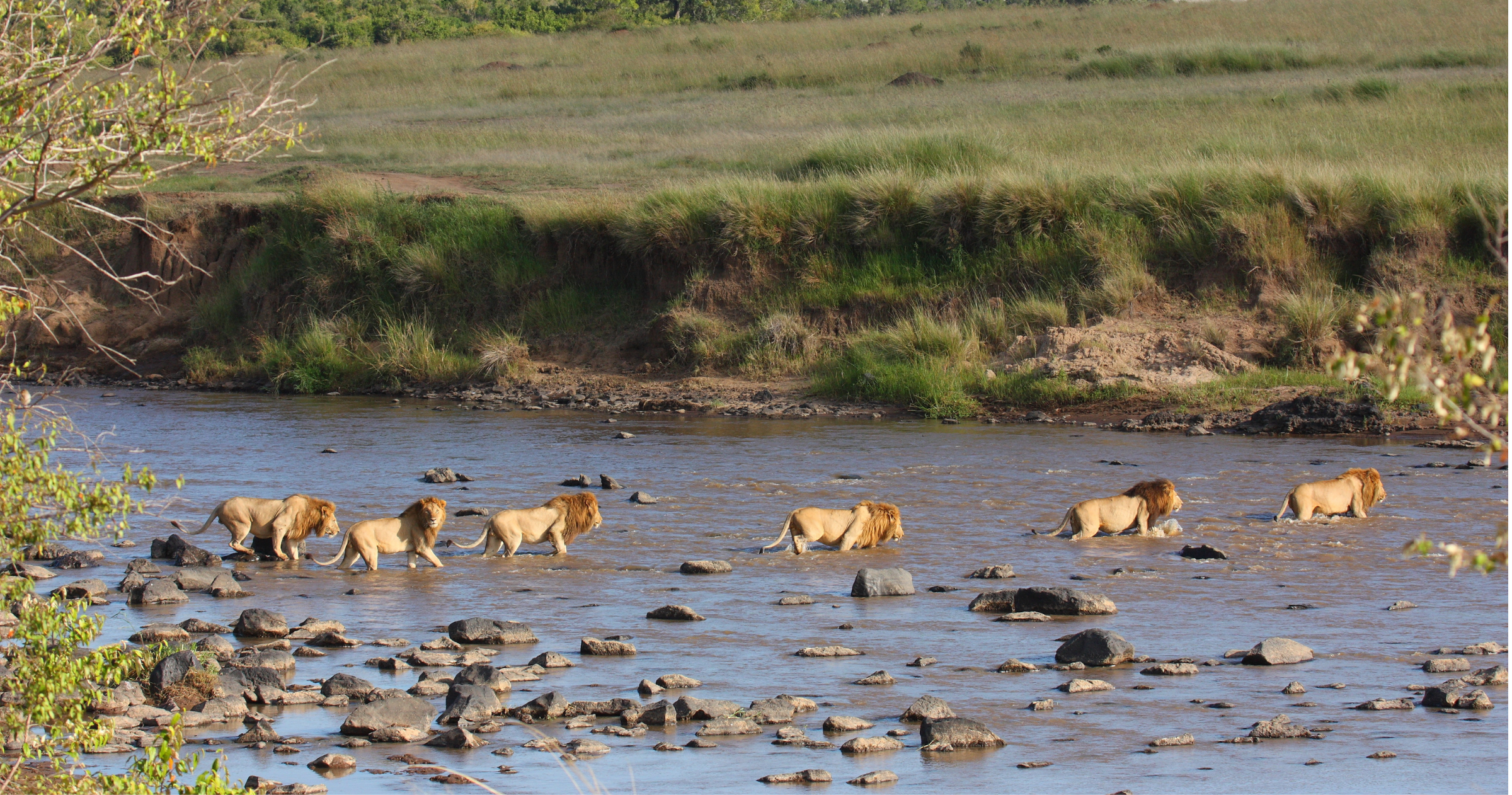
Every safari tier gets you to moments like this — what changes is how you get there and where you sleep at night.
Table of Contents
Ask five safari operators what a trip costs and you’ll get five different numbers — because “safari” isn’t one product, it’s three very different experiences wearing the same name. Here’s the honest breakdown, tier by tier, so you know exactly what you’re paying for before you book.
The Quick Answer
| Tier | Cost Per Person, Per Day | What It Looks Like |
|---|---|---|
| Budget / Camping | $150 – $300 | Shared group vehicles, tented camps or basic lodges, set departure dates |
| Mid-Range | $300 – $600 | Comfortable lodges or tented camps, smaller groups, more flexible timing |
| Luxury | $700 – $1,500+ | Private guide and vehicle, premium conservancy lodges, exclusive access |
These figures generally cover accommodation, meals, park fees, and game drives. They don’t include international flights, visa costs, travel insurance, or tips — more on those below.
What Actually Drives the Price?
Before comparing tiers, it helps to understand what you’re paying for. Four things move the number more than anything else:
Accommodation type. This is the single biggest factor. A basic campsite outside a park boundary might run $50–$100 a night. A mid-range lodge inside the park runs $150–$300. A luxury tented camp in a private conservancy can easily exceed $800–$1,000 a night — sometimes more during peak season.
Group size and vehicle type. Joining a shared group safari splits the cost of the vehicle, fuel, and driver-guide across everyone in the car — this is the single easiest way to cut your daily rate. A fully private vehicle and guide, just for you or your family, costs significantly more per person.
Season. July to October, when the Great Migration herds move through the Maasai Mara, is peak season — expect prices 30–40% higher than the April–June shoulder season, when parks are quieter and rates drop.
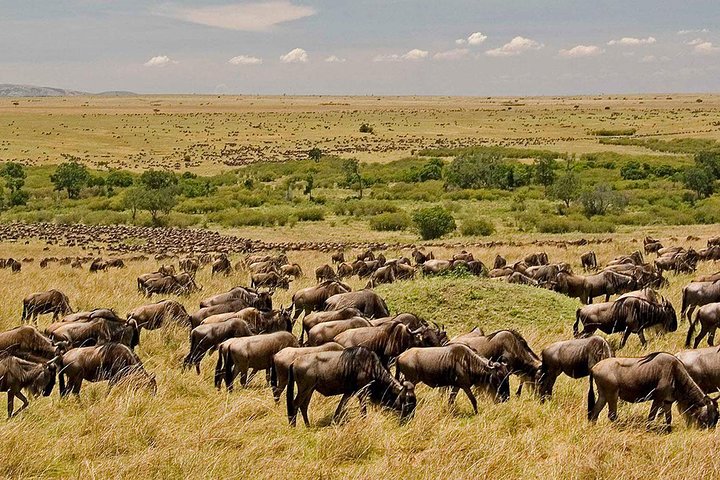
Peak migration season (July–October) drives both wildlife excitement and prices up together.
Park fees. Each national park or reserve charges its own daily conservation fee, and these are non-negotiable regardless of which operator you book with. They’re baked into every quote you receive, but it’s worth knowing the actual numbers so you can see where your money goes:
| Park / Reserve | Approx. Daily Fee (Non-Resident Adult) | Notes |
|---|---|---|
| Maasai Mara National Reserve | $100 (Jan–Jun) / $200 (Jul–Dec) | Seasonal pricing tied to migration season; managed by Narok County |
| Amboseli National Park | $90 | Flat rate year-round; KWS-managed premium park |
| Lake Nakuru National Park | $90 | Flat rate year-round |
| Tsavo East / Tsavo West | $80 | Flat rate year-round; lower fee tier than Amboseli/Nakuru |
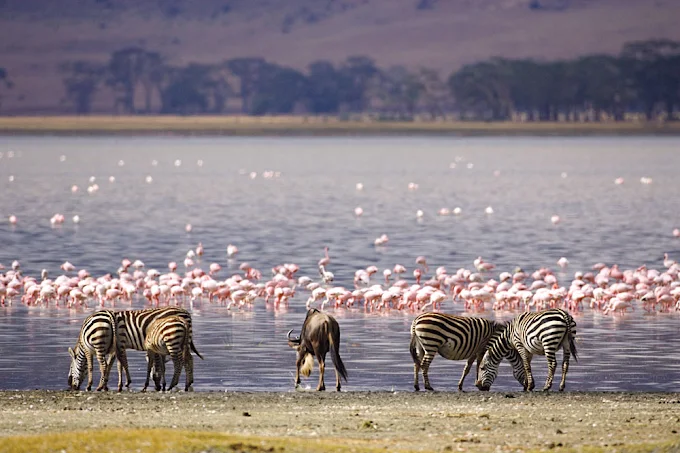
Lake Nakuru’s flat year-round park fee makes it an easy, predictable park to budget for.
Children typically pay roughly half the adult rate at most parks. A hot air balloon safari over the Mara carries a separate landing fee on top of the flight cost itself. These figures shift from time to time as county governments and KWS review pricing, so treat them as planning estimates rather than a locked-in quote.
Tier 1: Budget & Camping Safaris ($150–$300/day)
This is where Gatelinks lives, and it’s the most misunderstood tier. Budget doesn’t mean a lesser safari — you’ll visit the same national parks and have every opportunity to see the same iconic wildlife, the same sunrises, the same open plains. What mainly changes is the accommodation and the exclusivity of the vehicle — luxury conservancies do often offer more exclusive sightings, night drives, and off-road access that budget and mid-range safaris typically can’t.
A typical budget or camping safari includes:
- Shared game-drive vehicle with a small group of fellow travelers
- Tented camps or simple lodges, often just outside the park gates
- All main meals included
- A knowledgeable local guide running the same game drives as everyone else
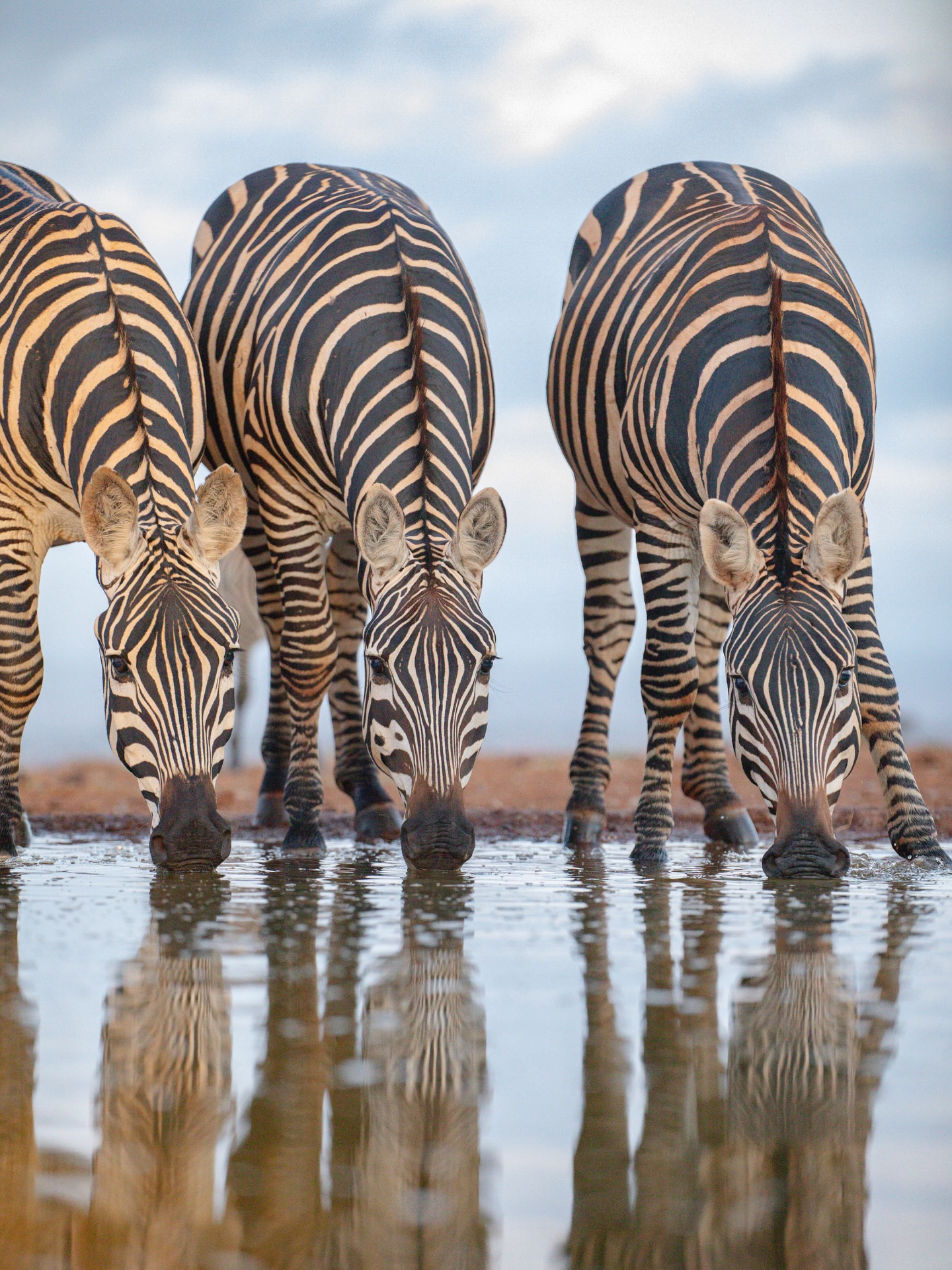
Budget and camping safaris put you just as close to the wildlife as any luxury lodge.
Here are some real-world examples of what budget pricing looks like on the ground, drawn from our own camping safari itineraries:
| Itinerary | Duration | From (per person) | Roughly Per Day |
|---|---|---|---|
| Jewel of Africa Mara Safari | 2 days | $454 | ~$227 |
| Mount Kenya Trek Safari | 5 days | $918 | ~$184 |
| Tracks of the Wild Safari Tour (Amboseli & Maasai Mara) | 6 days | $2,162 | ~$360 |
| Kenya and Tanzania Overland Safari (Mara, Serengeti, Ngorongoro, Zanzibar) | 14 days | $5,849 | ~$418 |
Prices are per person and reflect our published rates at time of writing — see individual tour pages for exact current pricing and availability.
If your goal is to see the Big Five, watch the migration, and come home with great photos — without the luxury markup — this tier gets you there.
Tier 2: Mid-Range Safaris ($300–$600/day)
This is the “sweet spot” tier for travelers who want more comfort and flexibility without paying for exclusivity. A typical 7-day mid-range safari runs somewhere between $2,100 and $4,900 per person.
What you get for the extra spend:
- Smaller, often semi-private vehicles (4–6 people instead of a full group)
- More comfortable lodges or tented camps, usually inside the park
- More flexibility on drive timing rather than a fixed group schedule
- A step up in food quality and camp facilities
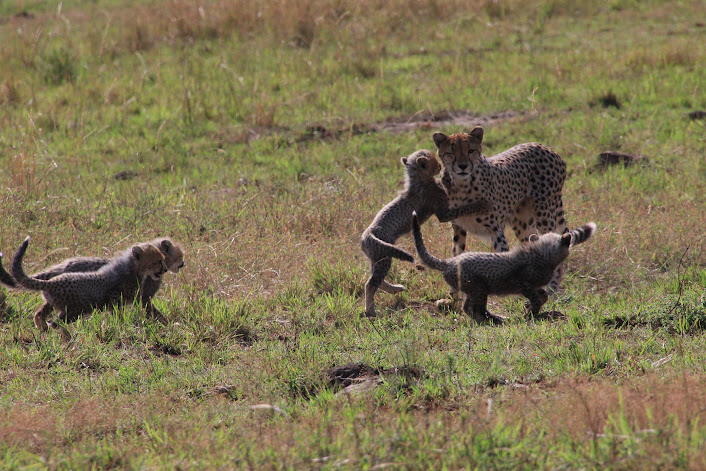
Mid-range safaris trade group size for comfort — smaller vehicles, better lodges, more flexibility.
For many travelers who’ve outgrown backpacker-style travel but don’t need private everything, this is the best value-per-dollar tier — you’re paying for comfort, not exclusivity.
Tier 3: Luxury Safaris ($700–$1,500+/day)
At the top end, you’re paying for privacy, access, and extras that simply don’t exist in the other tiers.
What luxury adds:
- A private vehicle and guide, just for your party
- Premium lodges or tented camps inside private conservancies, often with exclusive wildlife access
- Extras like bush breakfasts, sundowners, hot air balloon rides, and sometimes helicopter transfers
- Major international hospitality brands have entered this space too — properties inside the Maasai Mara ecosystem can run $800–$1,200+ per person per night in low season, climbing past $2,000–$4,000 a night during peak migration months
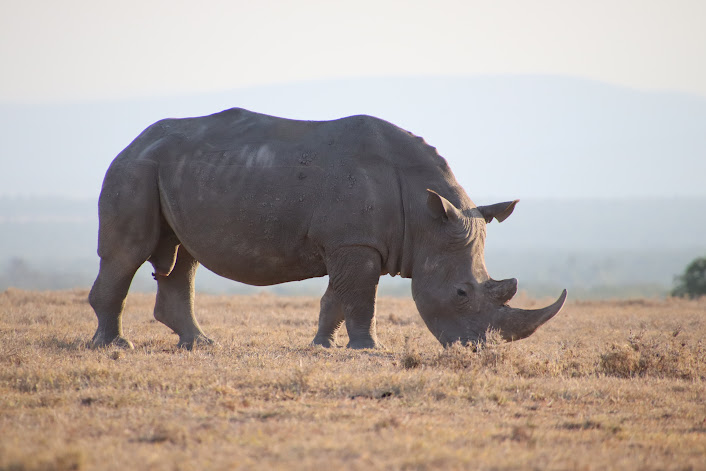
Luxury tiers pay for privacy and exclusivity — not a fundamentally different wildlife experience.
This tier makes sense for honeymoons, milestone celebrations, or travelers for whom privacy and exclusivity matter more than the price tag.
What’s Usually Not Included
Most safari package prices cover accommodation, meals, park fees, and game drives — but a few common extras almost always sit outside the base price, and it’s worth budgeting for them separately:
- Alcoholic and premium drinks (soft drinks and water are usually included, alcohol rarely is)
- Hot air balloon safaris (a memorable add-on, but priced separately — typically $450–$550 per person for the flight itself)
- Domestic flights between destinations, if you’re flying rather than driving between parks
- Laundry service at lodges and camps
- Souvenirs and curio purchases
- Tips for guides and camp staff
- Travel insurance and visa costs
Always ask your operator for a full inclusions/exclusions list before booking — a good one will give you this without you having to ask twice.
Costs Most People Forget to Budget For
Beyond your safari package price, plan for:
- Kenya’s Electronic Travel Authorisation (visa): roughly $30–$50 plus processing fees
- Yellow Fever vaccination: required if you’re arriving from a country where it’s endemic — get your certificate at least 10 days before travel
- Travel insurance: not optional for safari travel
- Tips: a common guideline is $10–$20 per person per day for your guide, and $5–$10 per person per day for camp or lodge staff
Kenya vs Tanzania: Which Is Cheaper?
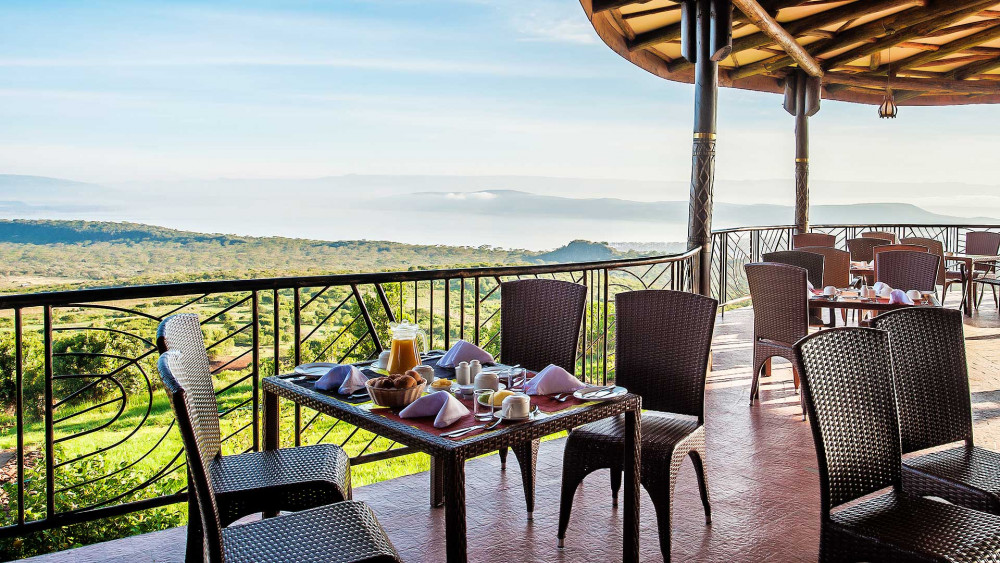
Kenya’s mix of national parks, reserves, and accommodation styles gives budget travelers more room to choose.
If you’re weighing a Kenya-only trip against a Kenya-Tanzania combination, Kenya generally offers better value at the mid-range level thanks to lower park fees and a wider spread of accommodation options. Tanzania’s Serengeti and Ngorongoro Crater carry higher park entry costs, but reward you with a different wildlife experience — particularly if your timing lines up with the migration moving through Tanzanian territory.
How to Get the Best Value for Your Budget
- Travel in shoulder season (April–June) for rates 30–40% below peak
- Join a group departure instead of booking private if budget is the priority — it’s the single biggest lever you control
- Choose camping or tented camps over lodges if you want the same wildlife access for less
- Book longer trips — per-day costs often drop slightly the longer you stay, since fixed costs like transport spread out
- Combine parks smartly — a well-designed multi-park itinerary (like Amboseli and the Mara together) gives you more variety without doubling your transport costs
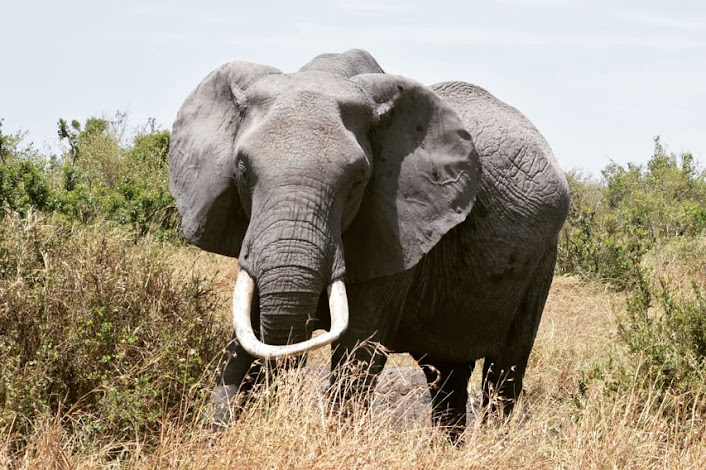
Smart itinerary design — not just tier — is one of the biggest levers on your total cost.
Frequently Asked Questions
Is $1,000 enough for a Kenya safari?
Yes, for a shorter trip. $1,000 comfortably covers a 3–5 day budget or camping safari for one person, including accommodation, meals, park fees, and game drives. It won’t stretch to a mid-range or luxury trip of the same length, and it doesn’t include flights, visa, or tips.
How much does a 3-day Maasai Mara safari cost?
A 3-day budget or camping Maasai Mara safari typically runs $450–$700 per person, depending on season, group size, and whether you’re joining a shared departure or booking privately.
Is camping safe on a Kenya safari?
Yes. Established campsites used by reputable operators are fenced or actively monitored, staffed overnight, and set up specifically for tourist safaris — wildlife encounters are managed by experienced guides and camp staff. It’s worth confirming your operator’s safety setup before booking, especially for first-time travelers.
Are children cheaper on safari?
Generally yes. Most national parks charge roughly half the adult rate for children, and many lodges and tour operators offer reduced rates for children sharing a room with adults. Ask your operator directly, since child policies vary by property and by age bracket.
Is Kenya cheaper than South Africa for a safari?
It depends on the style of trip. Kenya’s budget and camping safari scene is generally very competitive on price, while South Africa often has an edge at the self-drive and mid-range lodge level thanks to its road infrastructure. For classic Big Five game-drive safaris with a guide, Kenya and South Africa land in a similar overall range once park fees and accommodation are factored in.
How much spending money should I bring on a Kenya safari?
Beyond your package price, budget roughly $10–$20 per person per day for guide tips, $5–$10 per day for camp/lodge staff tips, and an additional buffer for drinks, souvenirs, and optional activities like a hot air balloon flight. For a week-long trip, $200–$400 in spending money on top of your package cost is a reasonable estimate for most travelers.
The Bottom Line
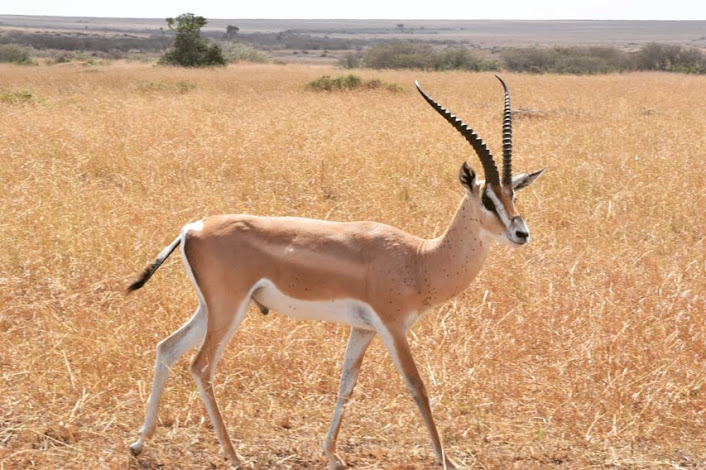
Same parks, same magic, same wildlife — the tier you choose just changes how you experience it.
There’s no single honest answer to “how much does a Kenya safari cost” — but there is an honest range: $150 a day if you’re comfortable with shared transport and simple camps, up to $1,500+ a day if privacy and premium access matter more than price. Most travelers land somewhere in the budget-to-mid-range tier, and that’s exactly where a well-run camping or budget safari earns its reputation — same wildlife, same magic, without paying for extras you may not need.
Prices were reviewed for the 2026–2027 safari seasons and are intended as planning estimates. Exact quotes depend on travel dates, accommodation availability, park fees, and group size — contact us for a current, no-obligation quote based on your dates.
Ready to see what fits your budget?
Get a custom quote or explore our tours by destination and style.
Get a Custom Quote